
I’ve spent a little over ten years working as a strength and conditioning coach, mostly with men in their late 20s through early 50s. I’ve watched the same pattern play out across different body types and job lifestyles: training stays consistent, diet looks “pretty good,” but energy dips, recovery slows, and motivation starts to feel like something you have to negotiate with. That’s usually when someone asks about the best testosterone booster—not because they want shortcuts, but because they’re tired of doing everything “right” and still feeling off.
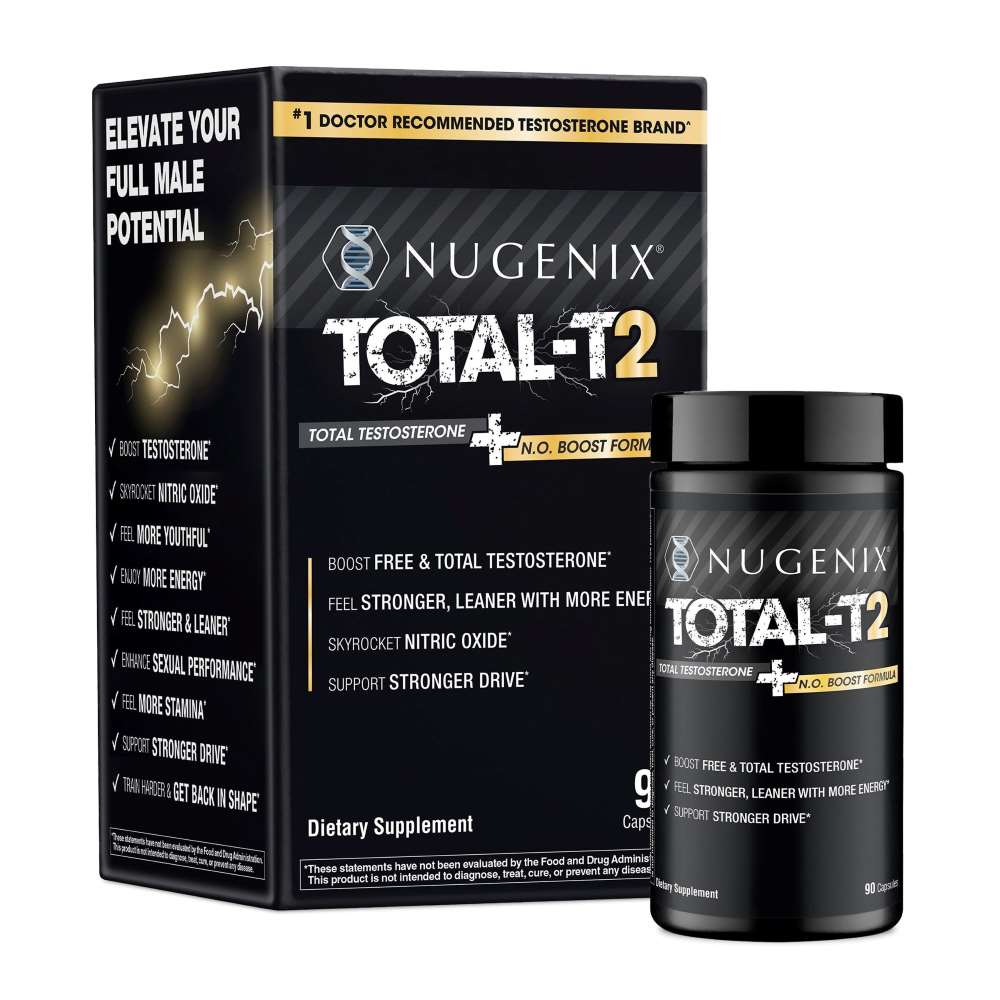
When I first started coaching, I treated that question like a supplement question. I’d look at ingredients, compare labels, and try to find the one that seemed most legit. Over time, what I’ve seen in real life changed my opinion. Most men who come asking for a booster don’t need a miracle ingredient—they need a hard reset on the basics that actually control hormones day to day.
One of my clearest examples was a guy in his early 40s who lifted four days a week and walked every day. He’d already tried a couple “test boosters” and said they did nothing except lighten his wallet. In the gym, he moved well, but he looked flat—like he never really recovered between sessions. When we dug into his routine, the culprit wasn’t mysterious. He was sleeping five to six hours most nights and eating like someone trying to stay photo-ready year-round: low fat, low calories, lots of chicken-and-salad discipline. We didn’t add a supplement. We added sleep and food. Within a few weeks he told me, unprompted, that he felt “more switched on” in the mornings and his workouts stopped feeling like they were happening in quicksand. That experience made me cautious about anyone selling the best testosterone booster as the first move.
In my experience, the best “booster” for most men is improving sleep quality and consistency. I’ve had clients swear their training program must be wrong because they weren’t progressing, and then we fix bedtime and suddenly their body responds again. I’ve lived this myself too. During a stretch where I was coaching early mornings and staying up late doing programming and admin work, my training numbers stalled and my mood got shorter than I liked. Nothing about my workouts changed—my recovery did. When sleep came back, so did the spark.
The next piece is nutrition, especially the parts men tend to cut too aggressively: overall calories and dietary fat. I’ve watched men train hard while quietly starving their hormone system. Testosterone doesn’t like constant deprivation. It’s not just about protein and greens. When I see someone eating lean protein all day, barely any fats, and chasing low calories while also training heavy, I know what’s coming: plateau, poor recovery, and that creeping “I’m not myself” feeling. Getting back to enough calories—plus real fats from eggs, olive oil, red meat in reasonable amounts, or fatty fish—often does more than anything marketed as the best testosterone booster.
Training style matters too, and this is where a lot of motivated men accidentally sabotage themselves. They chase intensity because it feels productive, but they never cycle down. I’ve had guys add more sets, more finishers, more extra cardio—then wonder why libido drops and they feel drained. I’m not anti-hard work. I’m anti-constant hard work. If your training never gives your body a chance to rebound, hormones rarely cooperate.
A second scenario I see often is the “busy professional” who trains at night to blow off steam, then can’t sleep because their nervous system is still buzzing. One client in his late 30s was doing late workouts and hitting caffeine harder than he admitted because he felt foggy in the afternoons. He wanted the best testosterone booster, but what he really needed was to stop living in a revved-up state. We moved training earlier when possible, reduced stimulants, and built a wind-down routine that actually worked for him. His sleep improved, and he started feeling normal again without chasing exotic solutions.
Supplements can help, but only when they’re filling a real gap. I’ve had good results using basics like magnesium for men who are tense, cramp-prone, and sleeping poorly, or zinc for men who sweat heavily and eat a limited diet. These aren’t dramatic “boosters,” and that’s the point. They support the system instead of trying to brute-force it. Adaptogens like ashwagandha have helped some men who are clearly stress-loaded and not recovering well—again, not because it’s magic, but because lowering stress and improving sleep tends to lift everything that was being suppressed.
The biggest mistake I see is treating the best testosterone booster like a single product you take while everything else stays the same. If sleep is broken, if you’re under-eating, if you’re training like you’re preparing for a fight every week, supplements usually become expensive distractions. Another common mistake is expecting a “feel it on day one” effect. Real improvements often show up quietly: better morning energy, steadier mood, improved recovery, and a return of motivation that doesn’t feel forced.
After ten years of watching men chase answers, my perspective is pretty blunt. The best testosterone booster is the combination of habits that stop testosterone from being pushed down in the first place: consistent sleep, adequate calories (including fats), training that’s challenging but recoverable, and stress management that’s realistic for your life. When those pieces line up, most men don’t need to hunt for a miracle booster—they start feeling like themselves again.